Review: Pyramid Box - Basics of Brazil for Embroidery
As a designer who spends more time staring at stitch simulations than most people care to admit, I approach every new machine embroidery design with a mix of curiosity and skepticism. When I first loaded the Pyramid Box - Basics of Brazil onto my screen, I wasn't just looking for a pretty shape; I was looking for structural integrity. In the world of 3D SVG assets, it is far too easy to find files that look stunning on a monitor but turn into a thread-breaking nightmare once they hit the hoop. This review breaks down how this specific Shapes category item holds up when moved from a digital concept to a tangible, stitched reality.
First Impressions and Visual Personality
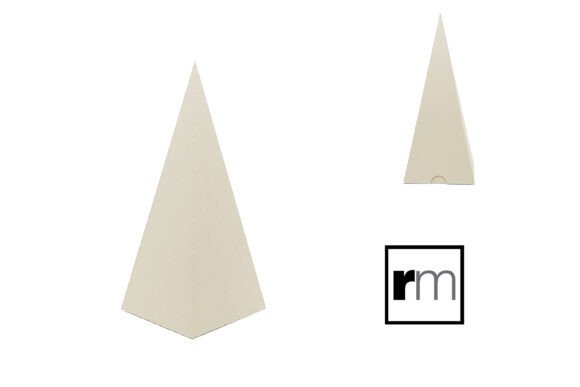
The immediate takeaway from the Pyramid Box - Basics of Brazil is its clean, architectural presence. With a specified height of 15 cm and a base width of 6 cm, the proportions are tall and slender, creating a sense of vertical elegance rather than bulk. For those of us working in commercial embroidery, proportion is everything. A design that is too wide can overwhelm a pocket, while one that is too short gets lost on a tote bag. This particular layout strikes a balance that feels modern and intentional.
The "Basics" in the title suggests a foundational approach, and visually, it delivers. It avoids unnecessary clutter, relying on strong lines to define the pyramid structure. This minimalism is a strategic advantage. It means the design relies less on complex shading and more on the interplay of light and shadow created by the actual thread. Whether you are aiming for a bold satin stitch outline or a textured fill stitch interior, the simplicity of the vector paths gives you the freedom to experiment without losing the core identity of the shape.
Real-World Application: The Boutique Tote Scenario
To truly test the viability of this file, I imagined a specific client project: a limited-run series of canvas tote bags for a local botanical shop in Brazil. The client wanted something geometric to contrast with their organic leaf patterns. Here is where the Pyramid Box - Basics of Brazil shined. Because the design is essentially a 3D SVG representation of a box or container, it metaphorically fit the product itself—a bag meant to hold things.
In this scenario, stitching the 15 cm height vertically along the side seam of the tote created a sleek, branding-focused accent. It didn't scream for attention like a large central logo might; instead, it acted as a sophisticated marker of quality. For an Etsy seller or small shop owner, this kind of subtlety often translates to higher perceived value. Customers tend to trust brands that use clean, deliberate graphics over chaotic, overly busy designs. If you are creating a handmade product line, using this shape as a recurring motif across different items—like aprons, tea towels, and packaging tags—could establish strong brand consistency.
Versatility Across Different Fabrics
One of the critical questions I ask before committing to a design is: "Where does this fail?" While the Pyramid Box - Basics of Brazil is versatile, it demands respect regarding fabric choice. On sturdy materials like denim, canvas, or heavy cotton twill, the sharp angles of the pyramid will stitch out crisply. The stitch density required to fill a 6 cm base needs a stable foundation. If you attempt this on a thin, stretchy jersey knit without proper stabilization, you risk distortion. The long vertical lines could pull the fabric, causing the pyramid to look warped rather than geometric.
For sweatshirt embroidery or fleece projects, this design works beautifully because the loft of the fabric complements the 3D nature of the shape. However, be mindful of the corners. Sharp points in embroidery are prone to bunching if the machine does not trim cleanly or if the underlay is insufficient. When working on custom apparel like caps, the curved surface presents another challenge. A 15 cm tall design is quite high for a standard cap front; you would likely need to scale it down, which brings us to an important caution about detail retention.
Critical Considerations for Production
Before you list this as a digital embroidery file or start churning out finished goods, there are practical hurdles to clear. Since the product details do not specify exact stitch counts or recommended hoop sizes, you must verify these parameters in your software. A design of this height might require a large hoop or even an "in-the-hoop" strategy if you are constructing an actual 3D object rather than just embroidering the image.
- Stabilizer Selection: Given the height and potential weight of the fill stitches, a cut-away stabilizer is likely safer than tear-away, especially for items that will be washed frequently, like kitchen towels or baby clothes.
- Thread Contrast: Test the design in black and white mockups first. Does the shape hold up without color? If the definition relies entirely on color changes, it may not translate well to monochromatic branding.
- Scaling Limits: If you plan to use this for baby embroidery on a onesie, you will need to shrink it significantly. Ensure that the 6 cm base does not become so small that the satin columns merge into a solid blob.
- Licensing Verification: Always confirm the license terms. Just because a file is available doesn't mean it is cleared for commercial embroidery resale or unlimited production runs.
Enhancing Customer Trust and Engagement
In the competitive landscape of online marketplaces, the finish of your product speaks louder than your description. A clean, well-executed geometric shape like the Pyramid Box - Basics of Brazil signals professionalism. It tells the buyer that you care about alignment, tension, and presentation. When customers receive a personalized gift or a boutique item where the embroidery lies flat and the edges are crisp, their trust in your brand deepens. This leads to repeat business and positive reviews, which are the lifeblood of any craft business.
Furthermore, this design serves as an excellent asset for creating printable mockups. Because it is a defined Shapes category item, it can be easily integrated into digital previews to show clients how a logo or monogram might look within a structured frame. This adds value to your service offering, allowing you to sell not just the stitched item, but the design consultation as well.
Final Verdict for Designers and Makers
The Pyramid Box - Basics of Brazil is a solid contender for designers looking to add a touch of modern geometry to their portfolio. It is not a magic bullet; it requires a skilled hand to manage tension, select the right thread colors, and choose appropriate fabrics. However, when executed correctly, it elevates simple items like tote bags and aprons into premium goods. It bridges the gap between abstract art and functional decoration.
If you are an appliqué design enthusiast, consider using this outline as a guide for cutting fabric shapes to layer underneath, adding genuine texture that mimics the 3D intent of the SVG. For those focused on holiday embroidery or seasonal gifts, the box shape can easily be adapted into packaging themes or decorative ornaments. Ultimately, this file is a tool. Its success depends on your ability to understand its constraints and leverage its strengths. Test it on scrap fabric, check your density settings, and if the lines remain sharp and the fabric stays true, you have a winner for your next embroidery project.