Straw Box Review: A Compact 3D Shape for Modern Embroidery
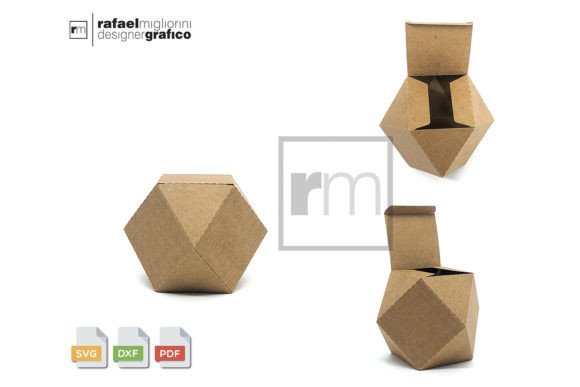
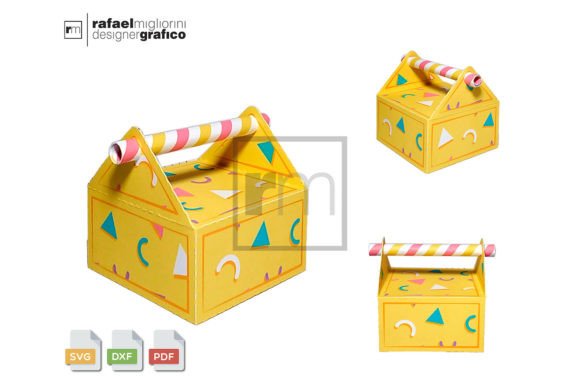
When I first pulled up the Straw Box file on my digitizing screen, I wasn't looking for another generic icon to fill space. As someone who spends hours tweaking stitch paths and advising small shop owners on what actually sells, I look for designs that have personality without being a nightmare to stitch out. This 3D SVG falls squarely into the Shapes category, but don't let that simple classification fool you. At 6.5 cm by 6.5 cm, it is a compact powerhouse that demands attention to detail in how you deploy it.
The visual personality of the Straw Box is clean and geometric. It creates a mood of modern minimalism mixed with a touch of playful utility. In a world where customers are increasingly drawn to boutique aesthetics over mass-produced clutter, this design fits right in. It feels like something you would see on a high-end coffee shop tote or a trendy nursery wall hanging. The 3D aspect gives it depth, suggesting volume even before the needle hits the fabric. For an embroidery project, this means the digitizer has likely accounted for pull compensation and underlay to make those edges pop, which is crucial for a shape that relies on its structure for appeal.
Real-World Application: The Boutique Tote Scenario
To truly evaluate this machine embroidery design, I imagined a specific real-life scenario. Picture a local craft business owner preparing a run of custom canvas tote bags for a summer market. They need a design that looks professional, stitches quickly, and appeals to a broad audience. The Straw Box is perfect here. Placed centrally on a natural cotton tote, the 6.5 cm width provides enough presence to be noticed from across a table without overwhelming the bag's proportions.
If I were stitching this for a client, I would lean into the "eco-friendly" or "zero-waste" vibe that a straw box implies. Using earthy thread colors like sage green, terracotta, or unbleached cream would enhance the handmade product feel. The design works exceptionally well as a tote bag design because the square footprint distributes tension evenly, reducing the risk of fabric puckering—a common issue with dense shapes on flexible materials. For an Etsy seller, this kind of versatile graphic is gold; it can be marketed as part of a kitchen series, a back-to-school collection, or even a sustainable living bundle.
Performance Across Different Fabrics and Items
Versatility is the hallmark of a good digital embroidery file. The Straw Box translates well beyond just totes. Imagine this on a sweatshirt embroidery project. On a heavy fleece, the 3D effect of the shape would stand out beautifully against the textured background. However, you must be mindful of stitch density. If the fill stitch is too aggressive, it could make the fabric stiff. On lighter materials, like a baby onesie for baby embroidery, the 6.5 cm size is substantial enough to be a focal point on the chest or back without being cumbersome.
I also see strong potential for this design in embroidered patch creation. Cutting this shape out after stitching (with a merrowed edge or a simple satin border) creates a fantastic iron-on accessory for jackets or backpacks. The defined corners of the box lend themselves well to the precision required in patch making. Furthermore, for holiday embroidery or gift-giving seasons, this shape can be adapted. Stitch it in red and white for a festive look, or pastel tones for spring. It serves as a neutral vessel that takes on the character of your thread choices.
However, caution is needed when applying this to curved surfaces like caps. While 6.5 cm is generally safe for the front panel of a standard cap, the rigid geometry of a box can distort if the fabric curvature is too severe. Always hoop your cap correctly and consider using a stiffer stabilizer to maintain the sharp lines of the Straw Box.
Technical Considerations for Professional Results
Before you commit to stitching this on a final garment, there are technical factors to review. Since this is a 3D SVG, the interplay of light and shadow is simulated through thread. You need to ensure your thread colors have enough contrast to define the different planes of the box. If you choose monochromatic threads, ensure there is a significant difference in shade between the top, front, and side faces to preserve the 3D illusion.
Fabric texture plays a massive role here. On a waffle weave or a highly textured linen, the fine details of the Straw Box might get lost. I always recommend testing the design on scrap fabric first, specifically the same material you intend to use for the finished product. Check how the satin stitch borders lay down; they should be smooth and free of gaps. If you notice bird nesting or thread breaks, you may need to adjust your machine tension or switch to a higher quality rayon or polyester thread.
Stabilizer choice is non-negotiable. For a shape with defined edges like this, a cut-away stabilizer is often safer than tear-away, especially for items that will undergo frequent washing, like custom apparel or kitchen towels. This ensures the Straw Box retains its crisp shape over time and doesn't warp as the fabric relaxes.
Commercial Viability and Brand Consistency
For creative entrepreneurs and digital product sellers, the value of a design like Straw Box lies in its branding potential. It offers a consistent visual anchor. If you are building a brand around organization, storage, or home goods, this shape reinforces that message instantly. In printable mockups for your online store, this design photographs well because of its geometric clarity. It looks intentional and designed, not clip-art-ish.
Customer trust is built on the quality of the finished product. A sloppy stitch-out of a simple shape looks worse than a complex one done poorly because there is nowhere to hide errors. The Straw Box demands precision. When executed correctly, it signals professionalism. It tells the buyer that the maker cares about alignment, thread quality, and presentation. This level of polish justifies a higher price point for your handmade goods.
Final Designer Notes and Best Practices
To get the most out of this embroidery project, keep these practical tips in mind:
- Check Licensing: Before selling items made with this digital embroidery file, confirm the license terms. Some files allow unlimited commercial use, while others have restrictions on the number of physical items sold.
- Hoop Size Verification: Although the design is 6.5 cm, ensure your hoop allows for enough margin around the edges for the machine to operate without hitting the frame.
- Contrast Testing: Create black and white mockups to see if the design holds up without color reliance. This helps verify the structural integrity of the digitizing.
- Density Check: Inspect the stitch count relative to the size. If it feels too dense for lightweight fabrics, consider asking the digitizer for a "light" version or adjusting settings if your software allows.
- Small Details: Pay close attention to the corners. Sharp turns in embroidery can sometimes lead to thread bunching. A slow stitch speed during these sections can improve clarity.
The Straw Box is more than just a shape; it is a versatile asset for any embroidery toolkit. Whether you are decorating a single personalized gift or rolling out a new line of small shop products, this design offers a blend of style and function. By respecting the technical requirements and choosing the right materials, you can transform this simple 3D SVG into a standout element of your craft business. It is a reminder that sometimes, the most effective designs are the ones that rely on clean lines and smart execution rather than unnecessary complexity.