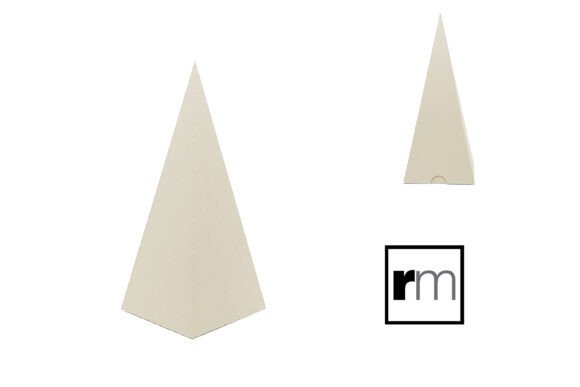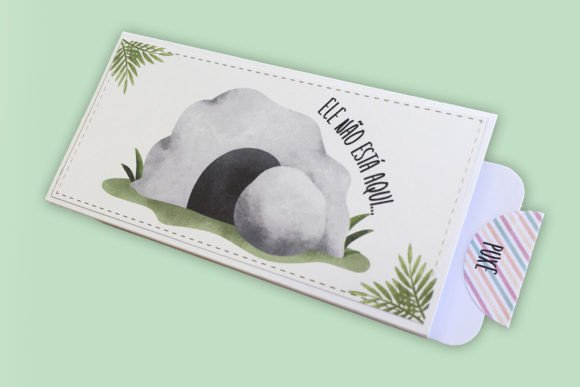
Double Slider Treat Box: A Designer's Review for Embroidery
As someone who spends more time staring at stitch maps than most people care to admit, I approach every new machine embroidery design with a mix of excitement and skepticism. We have all been there: you download a file that looks adorable on the screen, only to find out it turns into a puckered mess or a thread-breaking nightmare once it hits the fabric. That is why I took a close look at the Double Slider Treat Box. This isn't just about whether the graphic is cute; it is about whether this 3D SVG concept translates effectively into a tangible embroidery project that adds value to your craft business.
First Impressions and Visual Personality
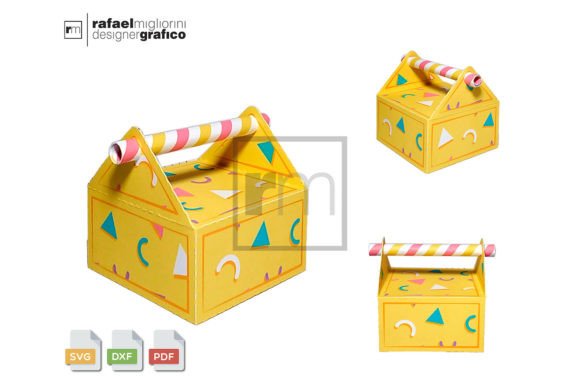
The moment I pulled up the preview for the Double Slider Treat Box, the mood felt immediately festive yet functional. There is a specific charm to packaging-themed graphics; they evoke thoughts of gifting, sharing, and celebration. Visually, the design leans heavily on clean lines and geometric structure, which is essential when working within the Shapes category. For an Etsy seller or a boutique owner, this visual personality is gold. It suggests "handmade quality" without being overly ornate or difficult to read from a distance.
What stands out most is the potential for texture. Because the source concept is a physical box with sliding mechanisms, a skilled digitizer would ideally interpret this using a combination of satin stitch for the crisp edges and a tight fill stitch for the body of the box. If executed well, the interplay between these stitch types can create a subtle 3D effect on the fabric, mimicking the depth of the actual treat box. However, this is where my designer brain starts running simulations. How will those sharp corners hold up? Will the density be too high for a lightweight cotton tote?
Real-World Application Scenarios
To truly evaluate the Double Slider Treat Box, I imagined a specific real-life scenario. Picture a local chocolate shop owner who wants to elevate their holiday packaging. They aren't just selling chocolates; they are selling an experience. Imagine a custom tote bag design featuring this embroidery, given as a premium add-on when a customer buys a dozen truffles. The bag becomes a reusable asset for the brand, and the embroidery serves as a permanent advertisement.
In this context, the design shines. It fits perfectly on the front panel of a canvas tote or a structured apron. For custom apparel, think of a bakery staff uniform. A small version of the Double Slider Treat Box embroidered on the chest pocket of a chef's coat or a barista's apron instantly communicates what the business does. It is far more engaging than plain text. Furthermore, for holiday embroidery projects, this design is versatile. It works for Valentine's Day (chocolates), Christmas (festive treats), or even Easter. The neutrality of the "box" concept allows the thread colors to do the heavy lifting in setting the seasonal tone.
I also see strong potential for baby embroidery. Parents love themed gift sets. Imagine a onesie or a burp cloth featuring a mini version of this design, paired with an actual box of kid-friendly snacks. It creates a cohesive personalized gift set that feels thoughtful and curated. For small shop products, this kind of thematic consistency builds brand recognition.
Technical Considerations and Fabric Compatibility
Here is where we need to be realistic. While the Double Slider Treat Box offers great aesthetic appeal, its success depends entirely on execution. Since this originates as a 3D SVG, the translation to an embroidery file requires careful attention to stitch density. If the digitizer packed too many stitches into the "box" areas to simulate solidity, you might run into issues with fabric distortion.
When planning your finished product, consider the substrate carefully. On a sturdy denim jacket or a heavy canvas tote bag, the design will likely sit flat and look crisp. However, if you attempt this on a stretchy jersey knit for a t-shirt or a thin baby onesie, you must use the correct stabilizer. A cut-away stabilizer is probably non-negotiable here to prevent the geometric lines from warping after the first wash. Textured fabrics like towels or fleece could also pose a challenge; the fine details of the slider mechanism might get lost in the loops of the terrycloth or the nap of the fleece.
Another critical factor is the hoop size. Depending on how the design was scaled, the intricate parts of the slider might require a smaller hoop to ensure the frame doesn't interfere with the stitching area. Always check the dimensions before committing to a large production run. Additionally, curved surfaces like caps are tricky. Unless the design is specifically digitized for a cap frame, the straight lines of the box might appear curved or distorted when stitched on the front panel of a hat.
Enhancing Brand Value and Customer Trust
Why go through the trouble of embroidering a Double Slider Treat Box instead of just printing it? The answer lies in perceived value. Embroidery signals durability and quality. When a customer sees a handmade product with raised stitching, they subconsciously assign a higher price point to it. For commercial embroidery clients, this distinction is vital. It separates your offerings from the sea of mass-produced, heat-pressed items flooding the market.
Using this design consistently across your design assets—from hang tags to packaging inserts to the merchandise itself—creates a professional brand image. It shows attention to detail. If you are selling digital embroidery files to other makers, providing a well-tested version of this design can build immense trust. Makers are always looking for reliable files that won't ruin their expensive blanks. If your version of the Double Slider Treat Box stitches out cleanly with minimal thread breaks, word will spread quickly in the maker community.
Practical Notes for the Studio
Before you load this design into your machine for a client order, I strongly advise a few precautionary steps. First, always test the design on a scrap piece of the exact fabric you intend to use. What works on cotton might fail on polyester blends. Pay close attention to the thread colors; high contrast can make the design pop, but ensure the colors complement rather than clash with the base material.
Inspect the small details. Does the "slider" part of the design have enough definition, or does it look like a blob? If the running stitch outlines are too sparse, the definition will be lost. It is also wise to view your test stitch-out in black and white (or grayscale) to check the tonal balance. Sometimes, a design relies too much on color to define shapes, and without that color, the form collapses.
Finally, verify the licensing terms. Just because you purchased or downloaded the Double Slider Treat Box does not automatically grant you the right to sell the digital file or unlimited physical goods. Clarify if the license covers commercial embroidery use or if it is for personal projects only. Protecting your craft business legally is just as important as the artistic quality of the stitch.
In conclusion, the Double Slider Treat Box is a promising candidate for a wide range of creative projects. From sweatshirt embroidery to boutique packaging, its utility is high, provided the technical aspects of density and stabilization are managed correctly. With the right preparation, this design can be a standout element in your portfolio, offering a blend of whimsical charm and professional polish that customers love.