PomPom Peony Poppy: A Designer's Review for Real Projects
When I first opened the file for the PomPom Peony Poppy, my immediate reaction wasn't just about the aesthetic; it was about feasibility. As a designer who spends hours hooped up at the machine, I look past the pretty preview images to ask the hard questions: How will this actually stitch out? Will the density cause puckering on a soft baby onesie? Is this something I can confidently sell to a client looking for boutique-quality custom apparel? This design, originating from a concept often seen in Paper Flowers and 3D SVG crafts, presents a unique challenge when translated into thread. It promises whimsical charm, but turning that paper-craft illusion into a durable embroidery project requires a critical eye.
The Visual Personality and First Impressions
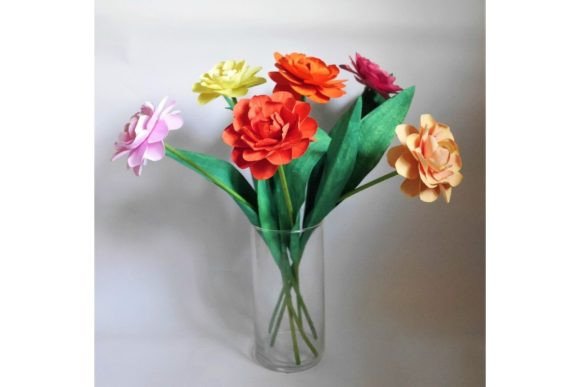
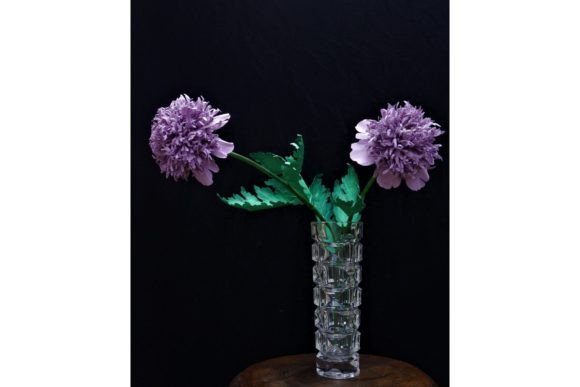
The mood of the PomPom Peony Poppy is undeniably playful. The rounded blooms suggest a softness that appeals strongly to the nursery market or spring-themed collections. Visually, it relies on volume and layering to create its signature "pom-pom" effect. In a digital printable mockup, this looks fantastic. However, in the realm of machine embroidery design, achieving that 3D look without using actual foam or excessive build-up is tricky. The design leans heavily on the interplay of light and shadow created by the stitching direction. If you are an Etsy seller or run a small shop product line, this visual personality is a strong asset. It stands out against minimalistic trends, offering a burst of texture that feels handmade and special. Yet, one must be wary of how "rounded" translates to thread. Without careful management of stitch density, those cute round petals can turn into stiff, cardboard-like patches that ruin the drape of a garment.
Real-World Application: The Tote Bag Test Case
To truly evaluate this embroidery file, I imagined a specific real-life scenario: a custom order for a local florist who needed branded tote bag design items for her spring market. She wanted something cheerful but durable enough to hold heavy bouquets. The PomPom Peony Poppy seemed like a perfect candidate for this handmade product. On a canvas tote, the fabric is stable enough to handle moderate density, and the whimsical nature of the flower aligns perfectly with a floral business brand.
However, the execution would require strategy. For a tote bag, I would likely treat this as an applique design opportunity rather than a full fill. By cutting the petal shapes from fabric and using the embroidery to secure and detail them, we preserve the softness of the bag while achieving the desired volume. If stitched purely as a fill, the thread colors would need high contrast to define the layers, otherwise, the "pom-pom" effect gets lost in a sea of satin. For a finished product intended for daily use, the durability of an applique method often outweighs the speed of a direct stitch, ensuring the design survives frequent washing without losing its shape.
Versatility Across Different Products
Beyond tote bags, where else does this design shine? It is an excellent choice for sweatshirt embroidery. The thicker fabric of a crewneck can support the weight of the design, and the playful vibe fits well with casual, cozy aesthetics. It also works beautifully as a focal point on pillow covers or kitchen towels, provided the towel fabric is substantial enough. For baby embroidery, caution is paramount. While the subject matter is perfect for a nursery, the back of the stitching must be clean and covered. No parent wants scratchy threads against a newborn's skin. In this case, using a high-quality cut-away stabilizer and perhaps backing the design with a soft fleece layer is non-negotiable.
For commercial embroidery projects like caps or curved surfaces, this design might struggle. The rounded, dense nature of the blooms could cause distortion on the front panel of a hat unless the digitizing is specifically optimized for curvature. Similarly, on stretchy t-shirts, the lack of negative space in a "full bloom" design can restrict the fabric's natural give, leading to warping after the first wash.
Critical Considerations for Stitching Success
Before committing to a production run, there are several technical factors to review. First, check the hoop size. Designs with large, sweeping blooms often require a larger hoop to avoid unnecessary jumps or re-hooping, which can lead to alignment issues. Second, inspect the stitch density closely. If the preview shows solid blocks of color with little variation, you may need to adjust the underlay or reduce the fill density to prevent the fabric from pulling.
Fabric texture plays a massive role here. On a smooth, tight-weave cotton, the satin stitch borders (if present) will pop. On a textured linen or waffle weave, fine details might get lost. Always test on scrap fabric that matches your final material. Another pro tip is to view the design in black and white. This strips away the distraction of color and lets you see if the running stitch outlines and fill patterns provide enough definition. If the design looks like a blob in grayscale, it will likely lack clarity in thread too.
Business and Licensing Notes
For creative entrepreneurs and digital product sellers, understanding the license is as important as the stitch count. Since this design stems from a 3D SVG paper craft concept, ensure that the conversion to an embroidery file grants you commercial rights for physical goods. Can you sell the stitched personalized gift items? Can you use the image in your marketing materials? Never assume. Always verify the terms provided by Maison Gregoria or the specific vendor you purchased the file from. Using a design incorrectly can lead to copyright strikes on platforms like Etsy, which no craft business owner wants to deal with.
Furthermore, consider your brand consistency. The PomPom Peony Poppy has a very specific, whimsical voice. It fits a boutique selling baby gifts or spring decor, but it might clash with a brand focused on modern, industrial, or minimalist aesthetics. Ensure the design enhances your brand story rather than confusing it.
Final Verdict for the Working Designer
The PomPom Peony Poppy is a charming asset with high potential for holiday embroidery, spring collections, and personalized goods. Its strength lies in its ability to convey joy and softness. However, it demands respect regarding fabric choice and stabilization. It is not a "dump and stitch" file for difficult materials like thin rayon or highly stretchy knits without significant modification or stabilizer support.
If you are an apparel decorator looking to add a touch of whimsy to a custom apparel line, this design is a strong contender, provided you test your thread color contrasts and manage your density. For the hobbyist making a one-off gift, it offers a delightful project that feels intricate but manageable. Just remember: the difference between a good embroidery job and a great one often comes down to the prep work. Test your scraps, check your licensing, and let the unique character of the PomPom Peony Poppy elevate your finished product with confidence.