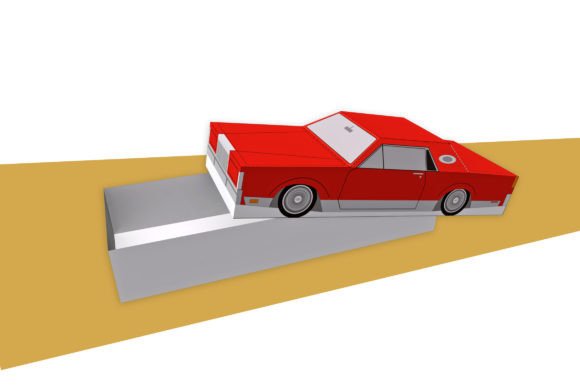
DIY Car Favor: 3D SVG Paper Toys for Branding
As a brand designer and content marketer, I am constantly scouting for unique graphic design assets that can elevate a campaign from standard to memorable. Recently, I reviewed the DIY Car Favor with a specific real-world project in mind: a local automotive boutique launching a seasonal "Spring Drive" promotion. The goal was to create tangible engagement pieces that bridged the gap between their digital social media presence and physical customer experience. My first impression of this asset was immediate; it exudes a playful yet structured mood that is perfect for lifestyle content and event promotions. Unlike generic clipart, this digital product offers a tactile dimension that static images simply cannot achieve.
The emotional tone of the DIY Car Favor leans heavily towards nostalgia and craftsmanship. In an era where consumers crave authenticity, offering a hands-on element can significantly boost audience trust. It feels suitable for casual branding, handmade product launches, and creative entrepreneurs looking to add a personal touch to their packaging. For the automotive boutique, this meant moving away from sleek, cold corporate aesthetics and embracing a warmer, community-focused vibe. The design suggests fun and interactivity, which is crucial for driving engagement in both physical events and unboxing experiences shared on social platforms.
Transforming 2D Templates into 3D Marketing Magic
The core value proposition here is the ability to make your own CAR favor by converting 2D templates to 3D. With a estimated completion time of just one hour, this fits perfectly into the tight turnaround schedules of modern content marketing. The finished size, approximately 6 x 7 x 20 cms, is substantial enough to be a noticeable gift or display piece but compact enough for mailing or handing out at trade shows. What you get includes PDF files, templates, and clear instructions, requiring only a printer and some basic assembly tools. This simplicity is a massive plus for small business owners who may not have dedicated fabrication teams but still want high-quality marketing visuals.
In terms of performance across various channels, the DIY Car Favor shines as a versatile tool. For brand identity and logo design integration, the clean lines of the template allow for easy customization. You can stamp a logo onto the side panels before assembly, turning a simple paper toy into a branded merchandise item. For packaging design and product labels, these assembled cars can serve as unique toppers for gift boxes or thank-you notes included in online orders. Imagine a customer opening a package to find a custom-assembled car instead of a standard flyer; the memorability factor skyrockets.
When adapting this for social media graphics, the potential is endless. Instagram posts featuring a time-lapse of the assembly process can generate significant organic reach. Pinterest pins showcasing the finished product as a party favor or educational activity for kids perform exceptionally well in the DIY niche. For Facebook ads and digital ads, using high-resolution renders of the assembled 3D model creates a sense of depth that flat illustrations lack. It also works beautifully for blog graphics and website headers, adding a pop of personality to editorial content about road trips, family activities, or automotive care.
Strategic Applications for Visual Hierarchy and Engagement
From a strategic standpoint, the DIY Car Favor supports several key marketing goals. Primarily, it creates a stronger first impression. When a potential client sees a brand investing in custom, interactive elements, it signals professionalism and attention to detail. This leads to better product presentation and improved audience trust. The visual hierarchy in a campaign featuring these paper toys naturally draws the eye to the physical object, making the accompanying message more impactful. Whether used in lead magnets, media kits, or printable promotions, the asset ensures a professional appearance that stands out against competitors using stock photography.
This design bundle works best in specific contexts. It is ideal for hero graphics in email banners, where the 3D effect can be highlighted against a clean background. It serves as an excellent accent for campaign headers and product launch visuals, particularly for brands targeting families or hobbyists. As a decorative brand element, it adds texture to content bundles and promotional banners. For editorial layouts in magazines or digital zines, the Paper Toys concept provides a whimsical break from text-heavy pages, keeping the reader engaged.
However, there are scenarios where this asset should be used carefully. It may not be suitable for formal corporate branding where a serious, conservative tone is required. In dense information layouts or text-heavy ads, the intricate details of the 3D model might compete with the main message, causing visual clutter. Additionally, on small mobile graphics, the fine lines of the cut templates might lose definition if not scaled correctly. Brands with an overly minimal aesthetic should test whether the playful nature of the car aligns with their strict design guidelines before committing to a full campaign.
Designer Notes for Professional Implementation
To maximize the ROI of the DIY Car Favor, I recommend several practical steps. First, test the template with your specific brand color palette. While the default design is charming, printing on colored cardstock or adding brand-specific patterns can elevate it from a generic craft to a cohesive brand extension. Always check black and white usage; ensure that the fold lines and cut marks remain visible even if printed in monochrome for cost-saving measures.
Place the assembled model inside real campaign mockups to gauge its scale and presence. Preview how it looks on mobile screens, as many users will first encounter the product image on a smartphone. Test readability if you plan to add text to the car's surface; ensure the font size is large enough to be legible once curved around the 3D form. Compare the final look against competitor visuals to ensure you are offering something distinct.
Typography pairing is another critical consideration. This SVG design pairs wonderfully with sans serif fonts for a modern, clean look, or handwritten fonts to emphasize the DIY aspect. Display fonts can work for headlines, but avoid overly ornate script fonts that might clash with the geometric nature of the car. Review spacing and balance during the assembly phase to ensure the final product stands upright and looks polished. Finally, and most importantly, confirm the commercial license before using this in paid campaigns, client work, or business branding. Ensuring you have the rights for commercial design usage protects your business and allows you to use the asset confidently in Canva templates, stickers, and digital product visuals.
In conclusion, the DIY Car Favor is more than just a craft project; it is a strategic creative design tool. For brand owners, marketers, and designers, it offers a unique way to humanize a brand and create lasting impressions. By integrating these 3D SVG elements into your workflow, you can transform standard marketing materials into interactive experiences that resonate deeply with your audience.