Bunting Banner Design: 3D SVG Shapes for Branding
As a brand designer who spends most of my week refining identities for local bakeries, boutique skincare lines, and handmade goods sellers, I am constantly on the hunt for graphic design assets that offer both flexibility and character. When I first opened the files for this Bunting Banner Design, my immediate impression was one of playful versatility. Unlike stiff, corporate geometric patterns, these shapes exude a friendly, celebratory mood that feels incredibly approachable. The aesthetic leans heavily into the "handmade" and "festive" personality traits, making it an ideal candidate for businesses that want to appear warm, community-focused, and inviting. While some might dismiss bunting as merely party decor, a closer look reveals a robust tool for small business branding when applied with strategic intent.
Elevating Product Packaging and Local Business Identity
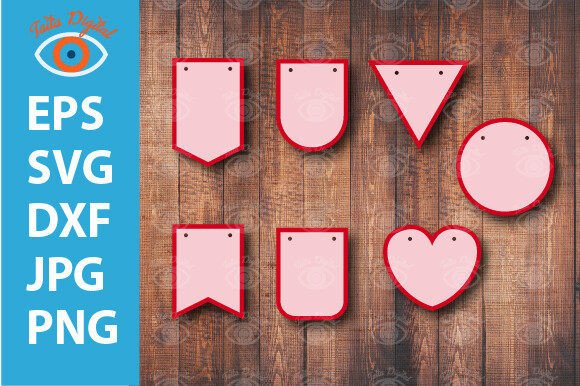
The true test of any design asset is its application in the real world. For a local business, particularly in the food or handmade sectors, packaging is the primary touchpoint with the customer. I envision using these Shapes not just as background noise, but as structural elements in packaging design. Imagine a local coffee shop launching a seasonal "Summer Celebration" blend. These scallop bunting templates could be printed directly onto kraft paper bags as a decorative band, instantly signaling a limited-edition release without requiring a complete label overhaul.
For a children's product brand or a toy boutique, the 3D SVG quality of these files allows for dynamic layering. You can create depth on box lids or hang tags that catches the eye on a crowded shelf. The layered vector cut files mean that if you are working with a die-cut machine for physical stickers or embossing folders for textured paper, the precision is already there. This level of detail supports better product recognition and creates a stronger emotional connection with the buyer, transforming a simple transaction into a delightful unboxing experience.
Strategic Applications Beyond the Party Context
While the source material mentions birthday parties, the utility of this graphic design asset extends far beyond cake smashes. In my workflow, I see these elements serving critical roles in various marketing visuals:
- Hang Tags and Thank-You Cards: A subtle row of bunting at the bottom of a thank-you note adds a polished, professional finish that generic text-only cards lack.
- Social Media Graphics: For Instagram stories or Facebook headers announcing a flash sale or a new store opening, these banners provide an instant framework for text, improving visual hierarchy.
- Menu Graphics and Price Lists: In a cafe or ice cream parlor, using these shapes to separate sections or highlight specials adds a whimsical touch that aligns with a fun brand voice.
- Website Banners: The scalable nature of the SVG format ensures crisp rendering on digital screens, perfect for hero graphics on a homepage during a holiday campaign.
The key is consistency. By integrating these shapes into your brand identity system, you create a cohesive look across physical and digital channels. Whether it is a flyer posted in a community center or a digital ad targeting local parents, the recurring motif builds trust and familiarity.
Navigating Limitations and Design Constraints
However, professional branding requires discernment. There are scenarios where this Bunting Banner Design should be used with extreme caution or avoided entirely. If you are designing for a luxury minimalist brand, such as a high-end jewelry line or a clinical skincare range, the playful, scalloped nature of these shapes might undermine the desired perception of exclusivity and seriousness. Similarly, in editorial design or layouts heavy with legal information and ingredient lists, adding decorative bunting can create visual clutter. It competes with important text and reduces readability.
Furthermore, care must be taken with scale. On very small labels, such as those found on lip balm tubes or sample-sized jars, intricate details in the clipart may disappear or print poorly. Always preview your design at 100% scale before sending to print. Additionally, avoid placing these colorful elements on low-contrast backgrounds where the edges might blur, compromising the clean lines that make vector art so valuable.
Practical Notes for the Working Designer
Before integrating this asset into a client project or your own handmade business inventory, there are several technical checks I recommend performing. First, always confirm the commercial license. While many creative marketplaces offer broad usage rights, ensuring you have the clearance for physical product sales and unlimited impressions is vital for peace of mind.
From a technical standpoint, test the SVG design files in your preferred software, whether that is Adobe Illustrator, CorelDRAW, or even a Canva template workflow. Check the editability of the layers; can you easily change the colors to match your specific brand palette? Does the PNG design version offer sufficient transparency for overlaying on textured photos? I also suggest testing the asset in black and white. A strong brand element should hold its form even without color, which is crucial for newspaper ads or cost-effective single-color printing.
Finally, consider typography pairing. These soft, rounded shapes often pair beautifully with handwritten fonts or friendly sans-serif typefaces. However, they can also create an interesting contrast when paired with a bold display font or a classic serif, depending on the vibe you wish to evoke. Compare your mockups against competitor packaging to ensure your use of these design assets helps you stand out rather than blend in.
In conclusion, this Bunting Banner Design bundle is more than just a collection of party decorations; it is a versatile toolkit for the modern creative entrepreneur. When used thoughtfully, it enhances professional branding, adds charm to product labels, and injects a sense of joy into local business marketing. By respecting its stylistic boundaries and leveraging its technical strengths, you can turn simple shapes into powerful drivers of brand loyalty and sales.