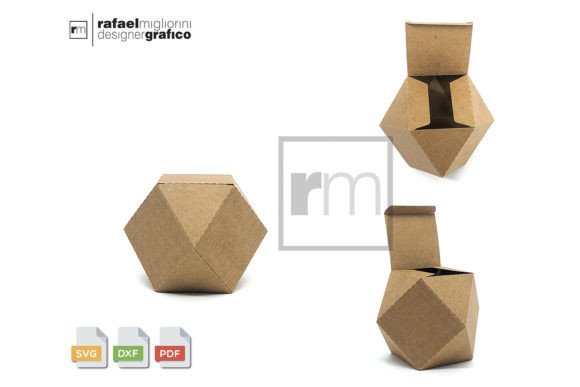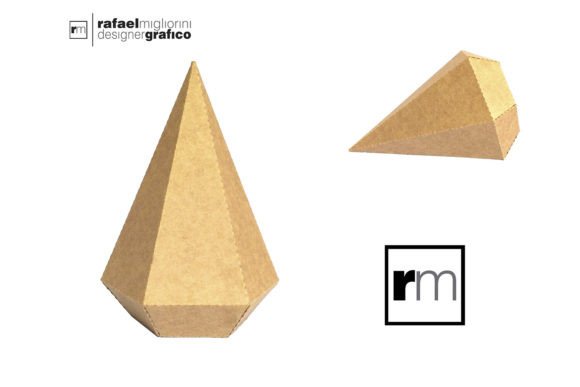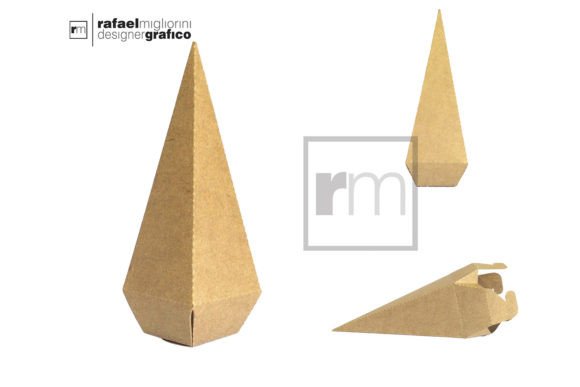
Diamond Box: A 3D SVG Shape for Packaging
As a brand designer who has spent years refining visual identities for local businesses, I approach every new graphic design asset with a critical eye. It is not enough for an illustration to look good on a screen; it must hold its weight in the physical world of packaging design and small business branding. When I first opened the file for the Diamond Box, I was immediately struck by its structural elegance. This is not just a flat icon; it is a dimensional Shapes element that brings a sense of depth and tactility to digital compositions. For a local business owner looking to elevate their shelf presence, this asset offers a unique opportunity to bridge the gap between digital marketing and physical product experience.
The mood created by the Diamond Box is one of refined modernity mixed with a touch of playful geometry. Unlike organic, hand-drawn elements that suggest a rustic or purely handmade vibe, this piece feels precise and engineered. It suggests a brand personality that values clarity, quality, and a contemporary aesthetic. I can easily envision this fitting perfectly with a boutique skincare line, a high-end candle brand, or a specialty coffee roaster that wants to communicate precision in their craft. The vertical proportions, reminiscent of a slender gift box or a premium perfume container, add a sense of luxury without being overly ornate. It strikes a balance that is both elegant and accessible, making it versatile for various market segments.
Elevating Product Presentation and Brand Identity
In the realm of logo design and brand identity, the Diamond Box serves as a powerful anchor. Because it is delivered as a 3D SVG, it scales infinitely without losing crispness, which is crucial for applications ranging from a tiny favicon on a website to a massive storefront banner. For a handmade business selling soaps or ceramics, this shape can be adapted into a primary logo mark or a secondary badge that signifies "gift-ready" or "premium quality." The three-dimensional aspect allows designers to play with lighting and shadow in their product mockup scenes, creating a more realistic and engaging visual hierarchy.
When considering packaging design, the utility of this asset becomes even more apparent. Imagine a bakery using this shape as a decorative accent on a tall cake box or a chocolate bar wrapper. The dimensions implied by the design—slender and upright—mimic the form factor of many retail products. By integrating the Diamond Box into the label layout, a brand can create a stronger emotional connection with the customer. It signals that thought has been put into every detail, from the product inside to the vessel that holds it. This level of polish improves customer trust and enhances the unboxing experience, which is a critical touchpoint for social media graphics and user-generated content.
Strategic Applications for Local Marketing
Beyond the product itself, the Diamond Box is an excellent tool for broader marketing visuals. For a florist launching a Valentine's Day campaign, this shape could serve as the central hero graphic in promotional ads, framing special offers or seasonal bouquets. Its geometric nature pairs beautifully with both serif and sans-serif typography, allowing for flexible editorial design in lookbooks or price lists. Social media managers can utilize this clipart or illustration to create cohesive story highlights or post templates that maintain a consistent brand voice across platforms.
The asset also shines in the creation of collateral such as hang tags, thank-you cards, and stickers. A boutique owner could use a simplified version of the shape as a watermark on tissue paper or as a foil-stamped element on a shopping bag. These small touches contribute to a more professional branding image, distinguishing a local startup from mass-market competitors. In web design, the SVG format ensures fast loading times while retaining high resolution, making it ideal for hero sections or product category icons.
Navigating Design Constraints and Best Practices
While the Diamond Box is a versatile tool, it requires thoughtful application. It may not be the best fit for formal corporate branding where strict minimalism is required, or for brands that rely heavily on organic, earthy textures where a geometric 3D shape might feel out of place. Caution should also be exercised when using it on very small labels or in areas crowded with legal information and ingredient lists. In these contexts, the decorative nature of the shape could compete with essential text, disrupting the visual hierarchy. It is vital to ensure there is sufficient negative space around the element to let it breathe.
Furthermore, designers must be mindful of background contrast. The 3D effect relies on subtle gradients and shading; placing it on a low-contrast or busy background can cause the details to get lost. For luxury minimalist brands, the dimensionality might be too bold unless flattened or stylized significantly. Always test the asset against your specific brand colors to ensure harmony.
Professional Notes for Implementation
Before finalizing any client work or commercial design project, I recommend a rigorous testing phase. First, preview the Diamond Box on real product mockup files to see how the shadows interact with your specific packaging materials. Check its appearance in black and white to ensure it remains recognizable without color reliance. Since this is a vector-based SVG design, inspect the editability; you should be able to adjust colors or simplify paths if needed for specific print requirements.
- Typography Pairing: Test the shape beside various font styles. It often pairs well with clean sans-serifs for a modern look or elegant scripts for a feminine touch, but avoid overly decorative display fonts that might clash with the geometric precision.
- Print Quality: If using for physical printable design assets like flyers or boxes, confirm the vector paths are closed and clean to avoid printing errors.
- Licensing: Always review the commercial license terms. Ensure you have the right to use the asset for physical product sales and client branding projects, especially if sourcing from a creative marketplace.
- Competitor Analysis: Compare your final design with competitor packaging. Ensure the use of this design asset helps your brand stand out rather than blending in with generic geometric trends.
Ultimately, the Diamond Box is more than just a shape; it is a strategic component for building a cohesive and professional brand narrative. Whether used as a subtle texture in a Canva template or the centerpiece of a major rebrand, its potential to enhance product label appeal and strengthen brand identity is significant. For the savvy creative entrepreneur, leveraging such high-quality digital product assets is key to creating a lasting impression in a crowded marketplace.