Mandala 3D Shadow Box Layered Papercut: A 3D SVG Review
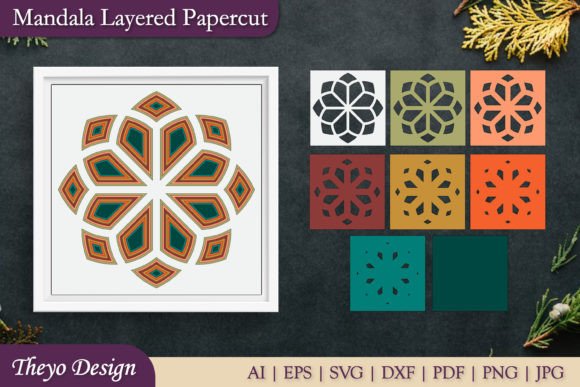
As a graphic designer who frequently bridges the gap between digital branding and physical product creation, I am always on the lookout for assets that offer versatility without sacrificing aesthetic integrity. Recently, I evaluated the Mandala 3D Shadow Box Layered Papercut for a potential client project involving a boutique wellness brand launching a limited-edition holiday gift set. The client needed visual elements that conveyed tranquility, intricacy, and a handmade feel, suitable for both their packaging design and their social media graphics. My initial impression of this graphic design asset was one of immediate structural clarity. Unlike flat illustrations that often require heavy manipulation to achieve depth, this file comes pre-engineered with layering in mind, specifically optimized for Shadow Boxes and dimensional crafting.
Visual Mood and Stylistic Fit
The mandala pattern itself exudes a sense of balance and symmetry, which is crucial for brands aiming to project stability and harmony. In the context of the Mandala 3D Shadow Box Layered Papercut, the design avoids being overly ornate to the point of clutter; instead, it maintains open negative space that allows light and shadow to play across the layers. This makes it an ideal candidate for modern design projects that lean into the "slow living" or artisanal aesthetics. For my wellness client, this asset perfectly matched their brand identity, offering a visual language that felt organic yet precise. It serves as more than just a decoration; it acts as a focal point that draws the eye inward, creating an emotional connection with the viewer before they even read the copy.
Performance in Real-World Design Scenarios
When testing this 3D SVG file across various applications, its adaptability became evident. For packaging design, the layered nature of the file allows for die-cut windows or embossed effects on box lids, adding a tactile premium feel that standard printing cannot achieve. In the realm of social media graphics, particularly for Instagram posts and Pinterest pins, the distinct layers can be separated in editing software to create parallax animations or static images with drop shadows that simulate depth.
I also considered its application in print-on-demand scenarios. While the original intent is often for physical cutting machines like Silhouette or Cricut, the vector data translates well to t-shirt design and tote bags when simplified to fewer layers for screen printing or heat transfer. For Etsy product sellers looking to expand their catalog, this file serves as a robust foundation for creating ready-to-assemble kits or finished wall art. The precision of the cut lines ensures that whether it is used as a sticker design or a large-scale printable design, the edges remain crisp and professional.
Ideal Applications for Maximum Impact
To get the most out of the Mandala 3D Shadow Box Layered Papercut, it is best deployed in areas where scale and lighting can enhance its three-dimensional qualities. It shines in:
- Hero Graphics: Using the full layered composition as a background element for website headers or landing pages to add texture without overwhelming the text.
- Product Mockups: Applying the design to physical mockups of boxes, cards, or frames to show clients exactly how the final Shadow Boxes will look in real life.
- Themed Collections: Incorporating the mandala into a series of coordinated marketing visuals, such as invitation suites or seasonal campaign flyers.
- Decorative Accents: Using individual layers as subtle watermarks or background patterns in editorial design and brochures.
Areas Requiring Caution and Restraint
However, professional judgment dictates knowing when not to use a complex asset. The intricate details of this mandala can become lost if scaled down too small. Therefore, it should be used carefully in:
- Small Sizes: Avoid using the full multi-layer version on business cards or favicons where the fine lines may blur or disappear.
- Crowded Layouts: Placing this over busy photography or complex textures can destroy the visual hierarchy, making the design feel chaotic rather than harmonious.
- Minimalist Branding: For corporate clients requiring stark, ultra-clean aesthetics, the ornamental nature of a mandala might clash with a strictly functional brand voice.
- Low-Contrast Designs: If the layers are cut from materials or colors that are too similar, the 3D effect vanishes, rendering the extra effort of layering pointless.
Impact on Brand Perception and Readability
The inclusion of the Mandala 3D Shadow Box Layered Papercut significantly influences the perceived value of a project. In small business branding, attention to detail signals quality. When a customer sees a package with a precisely layered papercut element, it suggests that the brand cares about the unboxing experience, thereby increasing visual trust and audience engagement. However, readability must never be compromised. When using this asset near text, ensure there is ample breathing room. The organic curves of the mandala pair beautifully with clean sans serif fonts for a modern contrast, or with elegant script fonts for a more romantic, handmade vibe. Always test the combination to ensure the text remains legible against the detailed background.
Practical Designer Notes and Technical Checks
Before committing this asset to a final client deliverable, I recommend a rigorous testing phase. First, view the SVG design in black and white to ensure the structure holds up without relying on color for definition. Check the contrast on both light and dark backgrounds to verify versatility. If you are preparing files for a Cricut project or similar cutter, inspect the paths for any stray nodes that might cause cutting errors.
For digital use, review the PNG design exports to confirm transparency is clean and there are no halo artifacts around the edges. Compare how the mandala interacts with different typography styles—does it compete with a bold display font, or does it complement a delicate handwritten font? Finally, and perhaps most importantly, confirm the commercial license terms. Ensure that the design bundle or single file purchase allows for use in client work, especially if you are creating products for resale or sublimation design projects. By treating this creative design element with the same scrutiny as any custom illustration, you ensure that the final result elevates the brand rather than just decorating it.
In conclusion, the Mandala 3D Shadow Box Layered Papercut is a powerful tool in the modern designer's arsenal. It bridges the gap between digital precision and tactile warmth, making it an excellent choice for marketing visuals, web design elements, and physical creative marketplace products. When applied with strategic intent and technical care, it transforms standard deliverables into memorable brand experiences.