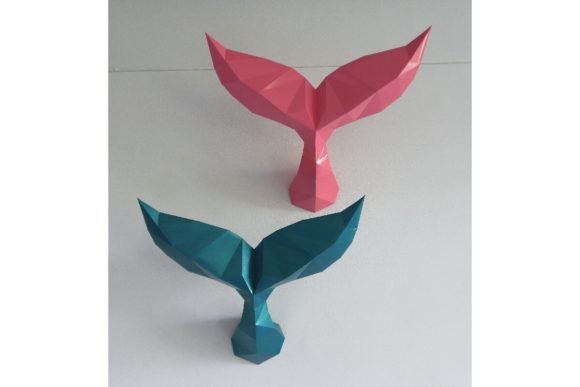
3D SVG Whale Tail: Premium Paper Sculptures Review
As a digital product creator who has spent years navigating the shifting tides of online marketplaces, I approach every new graphic design asset with a critical eye. It is not enough for a file to look pretty on a screen; it must perform commercially. Recently, I evaluated the 3D Papercraft Whale Tail for potential inclusion in my upcoming ocean-themed collection. My goal was to determine if this file could serve as a versatile foundation for Etsy products, print-on-demand merchandise, and high-value digital downloads. This review breaks down the practical application of this asset from the perspective of a small business owner looking to maximize return on investment.
First Impressions and Niche Appeal
Upon opening the files, the immediate impression is one of refined elegance rather than cartoonish whimsy. This stunning whale tail paper craft captures the majestic beauty of the ocean's giants, featuring detailed cutouts that evoke the graceful sweep of a whale's tail. Perfect for adding a touch of elegance to any project, the design avoids the trap of being too childish, which significantly broadens its commercial potential. The aesthetic leans towards modern coastal decor, making it suitable for adult audiences seeking sophisticated Paper Sculptures for home interiors.
The visual personality of the 3D Papercraft Whale Tail suggests a premium feel. It works exceptionally well for buyers interested in nautical themes, marine biology enthusiasts, or those decorating nurseries with a more mature palette. For sellers, this means the asset can command a higher price point when positioned correctly within a design bundle or as a standalone luxury item. It feels handmade and organic, a quality that resonates deeply with customers on platforms like Creative Fabrica and Etsy who value unique, artisanal vibes over generic clipart.
Strategic Product Applications
The true test of any commercial design is its versatility across different product types. The 3D SVG format of this whale tail opens up a wide array of possibilities for Cricut projects and laser cutting endeavors. However, its utility extends far beyond physical crafting. Here is how I envision deploying this asset in a real shop scenario:
- Sublimation Design: The layered nature of the artwork translates beautifully onto tumblers and mugs. When printed with gradient inks, the sublimation design mimics the depth of actual paper layering, creating a mug design that looks expensive and tactile.
- Printable Wall Art: As a printable design, this illustration serves as a standout piece for coastal living rooms. It can be sold as a multi-panel set to emphasize the 3D effect even in a 2D format.
- Greeting Cards and Invitations: The elegant lines make it perfect for baby shower invitations or thank-you cards. Paired with a high-quality cardstock, it becomes a tangible handmade business product.
- T-shirt Design: While detailed, the silhouette is strong enough for apparel. It works best on light-colored garments where the intricate cutout details remain visible without getting lost in the fabric texture.
- Canva Template: Integrating this illustration into a Canva template allows social media managers and bloggers to create cohesive social media graphics for ocean conservation campaigns or travel blogs.
- Sticker Design: For sticker design enthusiasts, the clear outlines facilitate easy weeding, provided the scale is large enough to maintain detail integrity.
Enhancing Product Presentation and Visual Hierarchy
In the crowded landscape of the creative marketplace, presentation is everything. The 3D Papercraft Whale Tail excels in creating compelling product mockups. Because the design inherently suggests depth, it adds immediate visual interest to listing images. When used in thumbnail appeal strategies, the shadow effects implied by the paper layers help the image pop against white backgrounds, increasing click-through potential.
For small business branding, consistency is key. Using this asset across a seasonal collection—perhaps paired with other marine life design assets—creates a unified brand identity. It tells a story of craftsmanship and attention to detail. When customers see a cohesive visual hierarchy in your shop, from the main banner to the individual packaging design elements, trust is established. This perceived value often justifies a higher price tag and encourages customers to purchase entire design bundles rather than single items.
Ideal Use Cases and Strategic Placement
This asset shines brightest when given space to breathe. It is ideally suited for large product previews where the intricacy of the cutouts can be appreciated. Themed bundles focusing on "Ocean Elegance" or "Coastal Minimalism" are perfect homes for this file. It performs exceptionally well in decorative layouts for wedding stationery or high-end printable products intended for framing.
Furthermore, it is a powerful tool for merchandise graphics on tote bags and canvas prints, where the texture of the material complements the paper-craft aesthetic. In terms of digital downloads, it serves as a premium offering for crafters who want to avoid the hassle of designing complex layers from scratch. For blog graphics and promotional visuals, the distinctive shape acts as an instant recognizable icon for marine-related content.
Cautions and Technical Considerations
Despite its strengths, the 3D Papercraft Whale Tail requires careful handling in specific scenarios. Sellers should exercise caution when applying this design to tiny sticker details. The fine cutouts that define its elegance may become indistinct or impossible to weed if scaled down too small for vinyl cutting machines. Similarly, using this asset in overly complex layouts with busy backgrounds can obscure the delicate lines, reducing the overall impact.
It is also crucial to consider contrast. On dark backgrounds, unless the file includes a white underbase or is specifically adapted for dark substrates, the details may vanish. For t-shirt design on black garments, additional design work is needed to ensure visibility. Moreover, for products requiring clean cutting lines for rapid production, the complexity of the internal cutouts might slow down the workflow for high-volume Cricut or Silhouette users. Always verify that the SVG design nodes are optimized to prevent machine stuttering.
Practical Seller Notes for Commercial Success
Before listing this as a commercial license product, rigorous testing is non-negotiable. I recommend the following workflow to ensure professional results:
- Test on Real Mockups: Do not rely solely on flat previews. Place the PNG design on realistic 3D mockups of mugs, shirts, and framed art to gauge how the "paper" texture translates digitally.
- Background Checks: Preview the asset on both stark white and deep navy backgrounds to ensure versatility for different customer needs.
- Print Color Verification: Run a test print to check color fidelity, especially if selling as a printable wall art file where color accuracy is paramount.
- File Organization: If selling as a digital product, organize the folder structure clearly. Include the 3D SVG, high-res PNGs, and perhaps a PDF instruction guide for assembly.
- Typography Pairing: Experiment with pairing the whale tail with various font styles. A clean sans serif font offers a modern look, while a flowing script font enhances the organic feel. A bold display font can anchor the design for poster sales, and a classic serif font adds a touch of traditional sophistication.
- Licensing Confirmation: Always double-check the commercial license terms of the original asset to ensure you are compliant when selling finished goods or derivative works.
In conclusion, the 3D Papercraft Whale Tail is a robust graphic design asset for creators aiming to elevate their ocean-themed offerings. With its blend of artistic detail and commercial flexibility, it stands out as a valuable addition to any creative entrepreneur's library, provided it is used with strategic foresight and technical precision.